CBD Cat Treats: A Practical Buyer’s Guide
A bag of cat treats used to mean one thing: a crunchy reward for good behavior. Now the shelf includes versions infused with hemp extract, marketed for everything from car-ride jitters to stiff joints. The category has grown fast, and the labels have not always kept pace with the science.
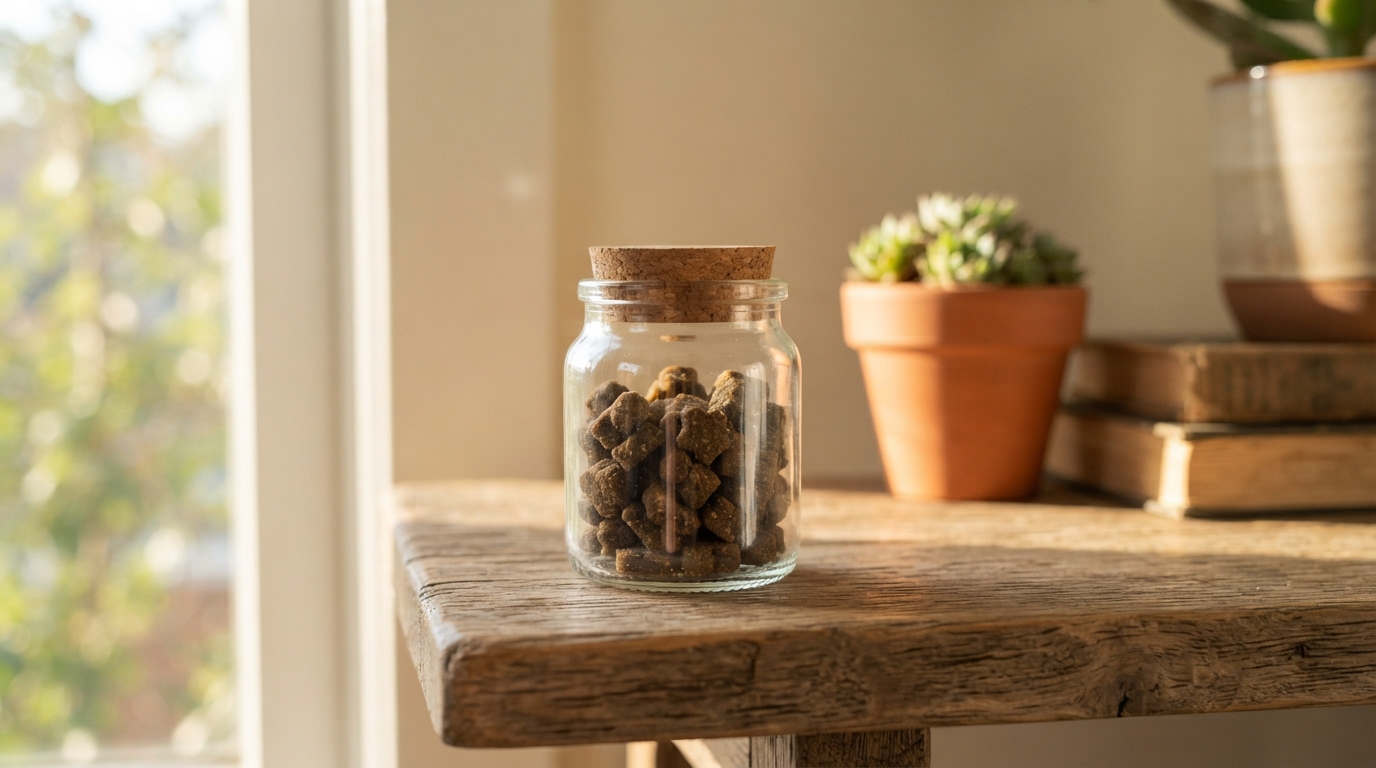
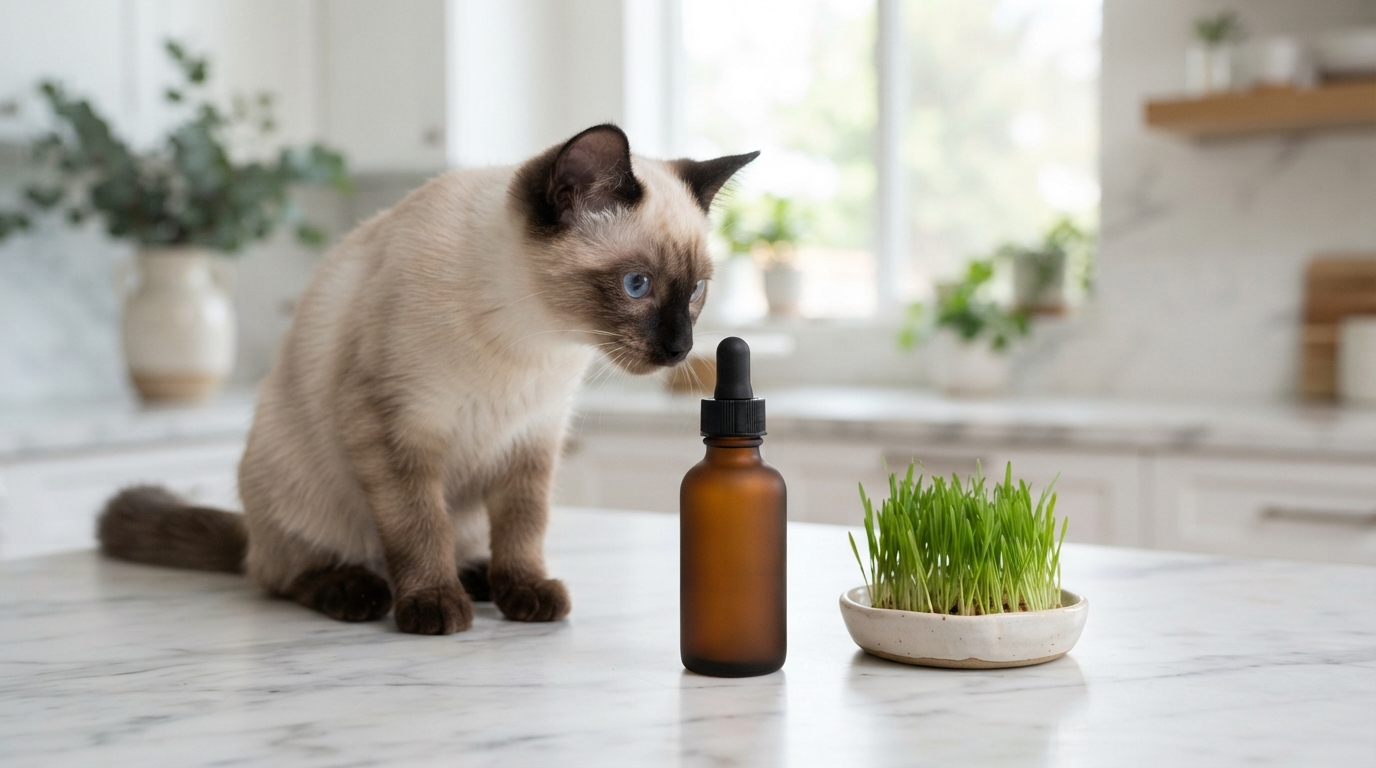
Cats process substances differently than dogs or people, which matters when the product in question is Holistapet CBD cat treats. Feline metabolism handles certain compounds more slowly, and body weight differences mean a dose sized for a 60-pound dog is wildly inappropriate for an 8-pound cat. None of that shows up on most packaging.
What’s Actually in the Bag
Ingredient lists on hemp-based treats tend to follow a pattern: a hemp extract (measured in milligrams of CBD per treat), a base like pumpkin, chicken, or salmon, and a handful of binders such as oat flour or tapioca starch. Some brands add taurine or omega-3 fatty acids, both of which are genuinely useful for cats regardless of the CBD content.
The milligram count matters more than the marketing copy. A treat listing “5mg CBD per piece” is giving usable information. A bag that only says “hemp-infused” without a number is not.
How to Read a Certificate of Analysis
Reputable manufacturers post a Certificate of Analysis (COA) from a third-party lab, either on the product page or via a QR code on the packaging. This document confirms two things: how much CBD is actually in the product, and whether contaminants like heavy metals, pesticides, or residual solvents are present.
A few things worth checking on any COA:
- The batch number on the COA matches the batch number on the bag, not a different production run
- THC content is listed and stays below 0.3% by dry weight, consistent with the definition of hemp under the 2018 Farm Bill
- Testing was done by an independent lab, not an in-house facility
- The report is dated within the past year, since potency degrades over time
Skip products where the COA is missing entirely, outdated, or generic (the same document reused across multiple different items).
Dosing and Introducing Treats Slowly
There is no FDA-approved dosing chart for CBD in cats, so most guidance comes from manufacturer recommendations based on body weight, not clinical trials. A common starting range on product labels falls between 1 and 5mg per 10 pounds of body weight, though this varies by brand and concentration.
Start with a half dose for the first few days. Watch for lethargy, drooling, vomiting, or changes in appetite. Cats with liver disease, kidney disease, or those on other medications should not receive hemp-based products without a veterinarian’s input first, since CBD is metabolized through the liver and can interact with certain drugs.
Timing also matters. Treats given 30 to 60 minutes before a stressful event, such as a vet visit or a car trip, allow time for absorption. Daily use for ongoing issues like joint discomfort typically follows a steadier schedule, often twice a day.
Storage and Shelf Life
Heat, light, and air degrade cannabinoids over time. Most hemp treats list a shelf life of 12 to 18 months unopened. Once opened:
- Keep the bag sealed in a cool, dark cabinet rather than on the counter
- Avoid the refrigerator unless the label specifically calls for it, since condensation can affect texture and mold risk in treats with natural preservatives
- Use within 60 to 90 days of opening for freshest potency
- Discard if the treats develop an off smell, unusual color, or visible moisture
A treat that has lost potency is not dangerous, just less effective, which can lead an owner to assume the product does not work at all.
Final Thoughts
The difference between a well-made and poorly-made CBD cat treat usually comes down to documentation, not marketing claims. A verifiable COA and a clear milligram count say more than any label copy.
CBD Calming Chews for Dogs: Practical Wellness Guide
Dogs can react strongly to changes in their surroundings. A thunderstorm, unfamiliar visitors, travel, grooming appointments, fireworks, or a different daily routine may cause a dog to behave differently from normal. Restlessness, pacing, barking, hiding, trembling, or staying unusually close to a familiar person can sometimes appear during stressful situations.
Interest in Holistapet CBD calming chews for dogs has grown as pet owners look for convenient products that may fit into a broader approach to managing occasional stress. Cannabidiol, commonly called CBD, is a compound derived from cannabis plants, but it does not produce the intoxicating effects associated with THC. Research into CBD use in dogs is still developing, so responsible use requires attention to product quality, dosage guidance, existing medications, and veterinary advice.
Understanding Why Dogs Become Stressed
Stress is a normal biological response. It helps an animal react to situations that feel unfamiliar, threatening, or uncomfortable. The problem occurs when stressful reactions become frequent, intense, or difficult for a dog to recover from.
Different dogs can respond to the same event in very different ways. One dog may ignore a thunderstorm while another may hide under furniture. A newly adopted dog may need time to adjust to a household, while an older dog may become unsettled by changes that previously caused no reaction.
Common Situations That May Trigger Stress
Several everyday circumstances can produce temporary nervousness:
- Loud noises such as fireworks, construction, or thunderstorms
- Car rides and unfamiliar travel environments
- Visits to veterinary clinics or grooming facilities
- Changes in household schedules
- Moving to a new home
- Separation from familiar people
- Introduction of another animal
- Crowded environments
- Unfamiliar guests
- Changes in sleeping or feeding routines
Behavioral changes should be viewed in context. A dog that suddenly becomes withdrawn, aggressive, unusually vocal, or reluctant to move may have an underlying medical problem rather than simple situational stress.
Pain, digestive problems, neurological conditions, hormonal disorders, and other health concerns can sometimes affect behavior. A sudden or persistent change deserves professional evaluation.
What CBD Means for Dogs
CBD is one of many naturally occurring cannabinoids found in cannabis plants. Unlike tetrahydrocannabinol, or THC, CBD is not considered intoxicating. That distinction has contributed to interest in CBD products designed for companion animals.
The endocannabinoid system exists in mammals and is involved in several physiological processes. However, the presence of this system does not automatically establish that every CBD product will produce a particular effect in dogs.
Research involving canine CBD use has examined areas such as pharmacokinetics, safety, osteoarthritis-related discomfort, and seizure disorders. Evidence remains limited for many of the claims commonly used in pet-product marketing. Studies may also use specific formulations and doses that cannot automatically be applied to every commercial chew.
Why Formulation Matters
Two CBD chews can contain different ingredients even when both advertise the same amount of CBD. Some products contain only CBD and inactive ingredients, while others include additional botanical ingredients.
A responsible product review should therefore look beyond the front label. Useful information includes:
- Amount of CBD per chew
- Total CBD content in the package
- Complete ingredient list
- Recommended serving information
- Batch or lot identification
- Laboratory testing information, when available
- THC information
- Manufacturer contact details
Laboratory testing can help verify cannabinoid content and identify contaminants. A certificate of analysis may provide information about the tested batch, although consumers should still understand what the document actually measures.
Choosing a Chew With Greater Care
Convenience is one reason chews appeal to dog owners. A premeasured chew can be easier to handle than a liquid product, particularly when a dog refuses medication or supplements placed directly in the mouth.
Convenience should not replace careful evaluation. Product quality can vary considerably across the pet supplement market, and labeling practices are not necessarily identical between manufacturers.
Questions to Ask Before Buying
A careful buyer can check several basic details before purchasing:
- Is the CBD amount clearly stated per chew?
- Is the complete ingredient list available?
- Does the manufacturer provide batch-specific testing?
- Is there information about THC content?
- Are serving directions clearly written?
- Is the product specifically intended for dogs?
- Does the packaging identify the manufacturer?
- Are storage instructions provided?
A product that makes dramatic promises deserves additional scrutiny. Terms such as “cures anxiety,” “guaranteed calm,” or “replaces veterinary treatment” should not be treated as established medical facts.
CBD products should also be kept away from children and animals that are not intended to receive them. Storage instructions should be followed, particularly when products contain additional ingredients that could be harmful if consumed in large quantities.
Introducing a New Supplement
A new supplement should be introduced carefully rather than immediately becoming part of a dog’s routine. The first step is to understand the product label and determine whether veterinary guidance is appropriate.
A veterinarian should be consulted before CBD is given to a dog with an existing medical condition or a dog taking prescription medication. CBD may affect how certain substances are processed in the body, creating potential interaction concerns.
A Practical Observation Routine
Keeping simple notes can make changes easier to evaluate. Record the following when appropriate:
- Date and time the product was given
- Amount provided
- Food given at the same time
- The situation that prompted use
- Observable behavior before administration
- Observable behavior afterward
- Any unusual reaction
- Other medications or supplements given that day
This approach avoids relying entirely on memory. It can also provide useful information for a veterinarian if a reaction or unexpected change occurs.
CBD should not be treated as an automatic solution for severe behavioral problems. A dog that experiences panic during storms, destructive behavior when left alone, repeated aggression, or persistent fear may need a structured behavioral assessment.
Building a Calmer Environment
Supplements are only one possible part of a dog’s overall routine. Environmental management can often make stressful situations easier to handle.
A predictable daily schedule may help some dogs. Regular feeding, exercise, rest, and interaction can create familiar patterns. Dogs also benefit from having a quiet location where they can retreat when household activity becomes overwhelming.
Simple Changes That May Help
During an expected stressful event, consider:
- Providing access to a quiet room
- Closing curtains during fireworks
- Using familiar bedding
- Reducing unnecessary noise
- Maintaining normal meal times
- Offering an appropriate enrichment toy
- Allowing the dog to choose a comfortable resting location
- Avoiding punishment for fear-related behavior
Exercise can also support general canine well-being, although the appropriate amount varies according to age, breed, health, and individual needs. A veterinarian can provide guidance when exercise restrictions are necessary.
Training is another useful tool. Reward-based training can help dogs learn predictable responses to certain situations. For more serious fear or anxiety, professional behavior support may be more appropriate than attempting to manage the problem solely with supplements.
Recognizing Possible Adverse Reactions
CBD is often discussed as a gentle supplement, but “natural” does not mean risk-free. Dogs can respond differently depending on body size, health status, formulation, and other substances they receive.
Possible unwanted effects reported with cannabinoid exposure can include sleepiness, changes in appetite, gastrointestinal upset, or changes in coordination. The severity and likelihood can vary.
If a dog develops a concerning reaction after receiving a CBD product, further doses should not be given until veterinary advice has been obtained. Severe symptoms, significant weakness, difficulty standing, repeated vomiting, breathing problems, collapse, or other urgent changes require prompt veterinary attention.
Another concern is accidental exposure. A dog that consumes a large quantity of chews may receive much more CBD or other ingredients than intended. Packaging should therefore remain secured and inaccessible.
CBD Chews and Veterinary Guidance
Veterinary involvement becomes especially useful when a dog has an ongoing condition or receives multiple treatments. A veterinarian can consider the dog’s medical history, current medications, age, weight, and reason for using the product.
The conversation should also include the exact product rather than simply the word “CBD.” A veterinarian may need to see the label, ingredient list, concentration, and testing information to assess potential concerns.
Pet owners should avoid changing prescribed medication without professional instructions. A supplement should not be used as a substitute for diagnosis or treatment when a medical or behavioral condition requires attention.
Separating Marketing From Evidence
The growing popularity of CBD products has created a wide range of claims. Some descriptions use scientific terminology without providing enough evidence to support the promised outcome.
A useful rule is to separate three things: what is known about CBD in general, what research has actually demonstrated in dogs, and what a particular product claims.
Research on dogs does not automatically validate every commercial formulation. A study involving a specific CBD preparation cannot necessarily be used to establish that another chew with different ingredients, concentration, or manufacturing standards will produce the same result.
This distinction is particularly important when products are marketed for anxiety, pain, inflammation, seizures, or other medical concerns. Those conditions can require veterinary diagnosis and treatment.
A Sensible Approach for Dog Owners
A thoughtful approach begins with the reason for considering CBD. Occasional nervousness during a predictable event is different from chronic fear, separation-related behavior, or a sudden personality change.
Before adding a CBD chew, consider the dog’s health history, current medications, the product’s ingredients, and the available testing information. Environmental adjustments and behavioral training should remain part of the broader plan when appropriate.
The goal should be careful observation rather than expecting an immediate transformation. If a dog continues to show significant distress, professional guidance is more appropriate than repeatedly increasing a supplement without supervision.
Final Thoughts
CBD products for dogs continue to attract interest, but evidence and product quality vary, so careful evaluation is necessary. A veterinarian, reliable product information, environmental support, and close observation can provide a more responsible framework for deciding whether a CBD chew belongs in a dog’s routine.
CBD Dog Treats for Everyday Pet Care
Dogs can be offered treats for many ordinary reasons, from rewarding good behavior to making training sessions easier. When a treat contains cannabidiol, or CBD, the decision becomes more complicated because the ingredient has different regulatory and safety considerations than standard pet snacks. Before choosing Holistapet CBD Dog Treats, pet owners need to understand what CBD is, how these products differ from conventional treats, and what information should be checked on a label.
CBD is one of the compounds found in cannabis plants. Unlike THC, CBD is not known for producing the intoxicating effect associated with marijuana. That distinction does not automatically make a CBD product appropriate for dogs. The U.S. Food and Drug Administration states that it has not approved cannabis for use in animals and cannot ensure the safety or effectiveness of cannabis products marketed for pets.
Understanding CBD in Dog Treats
CBD treats generally combine cannabidiol with a food base that may include ingredients such as meat, grains, vegetables, oils, or other common dog-treat components. The amount of CBD can vary considerably between products, so the word “CBD” on the package does not provide enough information by itself.
CBD and THC Are Different Compounds
CBD and THC are both cannabinoids, but they have different effects. THC is associated with the intoxicating effects of marijuana, while CBD does not produce the same type of high. Even so, accidental exposure to cannabis can make dogs sick. The FDA lists symptoms such as lethargy, depression, excessive drooling, vomiting, agitation, tremors, and convulsions among possible signs of adverse effects after cannabis ingestion.
This makes THC content worth checking carefully. A product labeled “hemp” does not provide sufficient information about its cannabinoid profile. Hemp can refer to a plant source, while the finished product still requires attention to its actual ingredients and laboratory results.
Why Product Labels Matter
A dog treat should have enough information for the purchaser to understand what is being given. Useful details include the amount of CBD per treat, serving size, ingredient list, manufacturer information, batch information, and expiration date.
A laboratory certificate of analysis can provide another layer of information. Depending on the testing laboratory, such reports may show cannabinoid concentrations and whether certain contaminants were detected.
A practical label check includes:
- CBD quantity per individual treat
- Total CBD quantity in the package
- Full ingredient list
- THC information
- Recommended serving directions
- Lot or batch identification
- Expiration or best-by date
- Laboratory testing information, when available
- Manufacturer contact information
The amount per treat deserves particular attention. A package might contain a large total amount of CBD, but the relevant number for a dog is the amount contained in each individual serving.
Safety Questions Before Giving a Treat
CBD research involving dogs remains limited compared with research involving commonly used veterinary medicines. The FDA specifically states that CBD products have not been approved for use in animals and recommends discussing appropriate treatment options with a veterinarian.
That recommendation becomes especially important when a dog already receives medication. CBD may interact with other substances, and the appropriate response depends on the dog’s health, age, weight, medical history, and current treatments.
Veterinary Guidance Comes First
A veterinarian can help determine whether a product is appropriate for a particular dog. This is especially useful when the treat is being considered because of a health concern rather than as an occasional snack.
A dog with a diagnosed condition may require a treatment that has been evaluated for that condition. Replacing prescribed care with an unapproved CBD product can delay appropriate treatment.
Questions worth discussing with a veterinarian include:
- Does the dog’s current medication create a potential interaction?
- Is CBD appropriate given the dog’s medical history?
- Could the ingredients cause digestive problems or allergies?
- What symptoms should be watched for after administration?
- What should happen if the dog accidentally receives too much?
- Should CBD be avoided before a scheduled procedure?
The answers can differ from one dog to another. Breed, size, age, existing disease, medication use, and individual sensitivity all affect the situation.
Watch for Changes After Administration
If a veterinarian agrees that a CBD-containing product can be considered, careful observation is still sensible. A dog that becomes unusually sleepy, unsteady, agitated, nauseated, or otherwise abnormal should receive attention rather than another serving.
The FDA has reported concerns about the safety and quality of CBD products and notes that available information about CBD in animals remains limited.
If a dog accidentally consumes a large quantity of a CBD or cannabis product, the product packaging should be kept available for the veterinarian. The label can help identify the ingredients and stated cannabinoid concentration.
Choosing a Product More Carefully
There is a significant difference between evaluating a CBD treat and simply choosing a conventional biscuit. With ordinary treats, attention often centers on calories, ingredients, allergies, and suitability for the dog’s diet. CBD products add another layer because cannabinoid concentration and product quality must also be considered.
A sensible purchasing process starts with the package rather than the marketing claims.
Look Beyond Health Claims
Statements about treating anxiety, arthritis, seizures, cancer, pain, or other medical conditions deserve particular caution. The FDA has stated that CBD products marketed for therapeutic purposes can fall under drug regulations, and it has taken action against companies making unapproved animal-health claims.
A product’s marketing language should therefore be separated from established veterinary evidence. A colorful package, a long list of claimed benefits, or numerous customer testimonials cannot substitute for controlled research.
For general purchasing purposes, examine the factual information instead:
- What exactly is contained in one treat?
- Is the CBD amount clearly stated?
- Is THC disclosed?
- Are all ingredients listed?
- Is there independent laboratory testing?
- Does the company provide batch-specific testing?
- Are feeding directions clear?
- Is the product intended specifically for dogs?
A product that cannot answer basic questions about its contents deserves additional caution.
Consider the Treat Itself
CBD is only one part of a dog treat. Other ingredients can affect whether the snack fits a dog’s diet.
Dogs with food allergies may need treats without specific proteins or grains. Dogs that gain weight easily may need low-calorie options. Dogs with sensitive digestion may react to rich oils, fats, or unfamiliar ingredients.
The basic nutritional profile should therefore remain part of the decision. CBD content should not distract from the rest of the ingredient list.
What Current Research Can and Cannot Show
Scientific research into cannabinoids and dogs has increased, but evidence remains narrower than many advertisements imply. Studies have examined areas such as pharmacokinetics, safety, and certain health conditions, yet research results do not automatically establish that commercially available treats are effective for a particular condition.
One frequently discussed area is canine osteoarthritis. Research has investigated CBD’s potential effects in dogs with osteoarthritis, but individual studies have limitations and do not establish CBD treats as a replacement for veterinary treatment.
The FDA’s current position remains clear: cannabis has not been approved for any use in animals, and the agency cannot guarantee the safety or effectiveness of cannabis products marketed for pets.
That distinction matters because research on a purified compound, a specific formulation, or a controlled dose does not necessarily apply directly to a commercial biscuit. Different products may contain different concentrations, additional cannabinoids, oils, flavorings, or other ingredients.
Practical Use and Storage Considerations
Treats containing CBD should be stored like other products that could cause problems if consumed in excess. A sealed container kept away from the dog’s normal food area can reduce the chance of accidental access.
Serving instructions should be followed carefully rather than estimated by eye. Cutting a treat into pieces can also create uncertainty if the CBD is not evenly distributed throughout the product.
Children should not be encouraged to handle pet CBD products casually, and dogs should not be allowed to take treats intended for another animal. Keeping the original packaging nearby is useful if a veterinarian needs to identify the product later.
If a dog experiences unusual behavior, vomiting, excessive drooling, tremors, marked sedation, or other concerning symptoms after consuming a cannabinoid product, veterinary advice should be sought promptly. The FDA specifically recommends contacting a veterinarian, animal emergency hospital, or animal poison control center when adverse effects from cannabis exposure are suspected.
Final Thoughts
CBD treats require more careful evaluation than ordinary dog snacks because safety, dosage, product quality, and regulatory status remain important questions. Veterinary guidance and transparent product information provide a more reliable basis for decisions than promotional health claims.
CBD Oil for Cats: Safe Use
Cats can be sensitive to changes in diet, supplements, medications, and household products. That makes careful research especially important when a new botanical product enters the picture. Holistapet CBD Oil for Cats has become a common search topic among pet owners who want to understand whether cannabidiol has a practical place in feline care, what research actually shows, and what safety questions remain unanswered. The available evidence is still limited, and product quality can vary considerably. A careful approach starts with understanding what CBD is, separating it from THC, and speaking with a veterinarian before giving any cannabinoid product to a cat.
Understanding CBD and Feline Health
CBD, or cannabidiol, is one of many naturally occurring compounds found in the cannabis plant. Unlike delta-9-tetrahydrocannabinol (THC), CBD does not produce the same intoxicating effects associated with THC. That distinction matters because cats can be harmed by cannabis products containing THC. The ASPCA lists marijuana as toxic to cats and identifies delta-9-THC as the toxic principle. Reported signs of cannabis exposure can include sleepiness, poor coordination, vomiting, dilated pupils, excessive salivation, low blood pressure, low body temperature, tremors, and seizures.
CBD itself has attracted interest because researchers have investigated possible effects involving pain, inflammation, anxiety, seizures, and other areas of animal health. Those subjects should be discussed carefully because evidence from one species does not automatically apply to another. A finding in dogs, laboratory animals, or humans cannot be treated as proof that the same dose or effect will occur in cats.
Why feline research matters
Cats process substances differently from humans and may also respond differently from dogs. Their liver has distinctive metabolic characteristics, which can affect how certain compounds are absorbed, broken down, and eliminated. For that reason, a product designed for human use should not automatically be considered appropriate for a cat.
The FDA currently states that it has not approved cannabis for any use in animals and cannot assure the safety or effectiveness of cannabis products marketed for pets. The agency recommends discussing appropriate treatment options with a veterinarian.
Research into CBD and companion animals continues, but the amount of high-quality feline evidence remains relatively small compared with the volume of products available to consumers. Marketing language can therefore move faster than the science.
What Owners Should Check First
The bottle is only one part of the safety picture. Before considering a cannabinoid product, the cat’s age, weight, medical history, current medications, and reason for use should all be considered. A cat with an ongoing medical problem may require diagnosis and conventional treatment rather than an unapproved supplement.
A veterinarian can also help determine whether a symptom could signal a condition that needs immediate attention. Changes such as persistent vomiting, difficulty walking, sudden behavior changes, loss of appetite, unusual sedation, or seizures should not be managed at home with a new supplement.
Product-label details worth reviewing
Several label details can help identify potential concerns:
- The amount of CBD per serving or measured drop should be clearly stated.
- THC content should be disclosed, especially because THC is toxic to cats.
- Ingredients should be listed individually rather than hidden behind vague blends.
- The product should identify the intended animal species and serving instructions.
- Batch or laboratory information can provide additional information about cannabinoid content and contaminants.
- Oils containing unnecessary flavorings, essential oils, or other additives deserve extra scrutiny.
The FDA has reported concerns about the quality of some CBD products, including products that did not contain the amount of CBD stated on their labels. The agency has also investigated potential contamination involving substances such as pesticides, heavy metals, and THC.
A clear label does not prove that a product is effective or appropriate for a particular cat. It simply gives the owner and veterinarian better information for evaluating the product.
Why THC-free claims deserve attention
The terms “hemp,” “hemp oil,” and “CBD” can create confusion. They do not necessarily mean the same thing, and a hemp-derived product may contain cannabinoids other than CBD. THC exposure is a separate safety concern for cats.
A product intended for a feline should therefore be evaluated by its actual ingredient profile rather than by the word “hemp” printed prominently on the package. If cannabinoid concentrations are unclear, determining the amount a cat would receive becomes difficult.
Practical Safety Considerations at Home
Storage is an easy part of the process to overlook. Cats are curious and can investigate bottles, droppers, bags, and containers left on counters or bedside tables. Any cannabinoid product should be stored securely and separately from human medications and other household substances.
The FDA identifies marijuana among potentially dangerous items for pets and advises owners to keep harmful substances away from animals. Human medications can also be dangerous to cats, so a pet should never be given a human product simply because the ingredient appears familiar.
Avoid guessing a dose
There is no universally established CBD dose that can be presented as safe for every cat. Body weight alone is not enough to determine an appropriate amount because concentration, formulation, medical condition, other medications, and individual response can all affect risk.
Online dosing charts may look precise, but a precise-looking number is not necessarily supported by feline clinical evidence. This is especially relevant when a product contains multiple cannabinoids or additional active ingredients.
A veterinarian may ask questions such as:
- What condition is the cat experiencing?
- How long have the symptoms been present?
- What medications or supplements is the cat already receiving?
- Has the cat had liver, kidney, gastrointestinal, or neurological problems?
- What exact product and concentration are being considered?
Those details provide a more useful basis for decision-making than a generic dose calculated only from body weight.
Watch for changes after exposure
Any unusual reaction after a cat receives a cannabinoid product deserves attention. Possible concerns can include excessive sleepiness, vomiting, diarrhea, changes in appetite, agitation, poor coordination, tremors, or other abnormal behavior. The FDA lists lethargy, depression, drooling, vomiting, agitation, tremors, and convulsions among signs that may occur after pets ingest cannabis.
If a cat accidentally consumes a product containing THC or an unknown cannabinoid concentration, veterinary advice should be sought promptly. Waiting for severe symptoms can make an exposure harder to manage.
Reading the Evidence Without Overstating It
CBD research in animals is often discussed in connection with pain and mobility, particularly osteoarthritis. Other areas of interest include anxiety and seizure disorders. The ASPCA has noted that research is underway into possible uses for CBD in pets, while also emphasizing that many questions remain unanswered.
That distinction between research interest and established treatment is important. A study may show that a compound deserves further investigation without proving that a commercially available oil treats a specific condition in household cats.
What current evidence can and cannot establish
Current evidence can help researchers identify possible effects, safety concerns, and areas that deserve additional study. It does not establish one standard product, one universal dose, or one guaranteed outcome for all cats.
The FDA’s position is particularly relevant for owners in the United States. The agency states that CBD has not been approved for use in animals and that it cannot ensure the safety or effectiveness of cannabis products marketed for pets.
This also explains why responsible discussions about feline CBD should avoid claims that a product can cure disease, replace prescribed medication, or provide predictable results in every animal. Those claims go beyond what the available evidence supports.
Final Thoughts
CBD products remain an area of interest in feline care, but research and regulatory approval have not established a universal safety or dosing standard for cats. Veterinary guidance, careful product evaluation, secure storage, and attention to possible adverse effects provide a safer framework for making decisions about cannabinoid products.
Melatonin for Dogs: Supporting Calm Sleep
Sleep problems in dogs can appear in several forms. A dog may wake repeatedly during the night, pace around the house, vocalize, or become unusually active after the household has gone to bed. In other cases, the dog may simply have difficulty settling after a change in routine. Understanding the reason for the behavior is the first step before considering any supplement.
Melatonin is a hormone naturally produced by mammals. It is closely associated with the body’s sleep-wake rhythm, which explains why Holistapet Melatonin for Dogs is sometimes considered for selected canine concerns. Veterinary guidance remains useful because the appropriate product and amount depend on the dog’s age, health, medications, and reason for use.
Understanding the Canine Sleep Cycle
Dogs do not normally sleep in exactly the same way as humans. Instead of concentrating most of their sleep into one long nighttime period, they tend to sleep in several periods throughout the day. Healthy adult dogs commonly sleep around 12 to 16 hours within a 24-hour period, although individual needs can vary.
Puppies generally need more sleep because of growth and development. Older dogs may also spend more time resting. Breed, activity level, health, environment, and daily routine can influence sleeping habits.
This makes it useful to distinguish normal sleep from a genuine change in behavior. A dog that has always taken several daytime naps may be perfectly healthy. A dog that suddenly begins wandering through the house every night deserves closer observation.
How Light Affects Melatonin
The body produces melatonin mainly through the pineal gland. Darkness generally increases melatonin production, while exposure to light can reduce it. This relationship helps regulate the circadian rhythm, the internal system that coordinates daily periods of activity and rest.
Household routines can influence these signals. Dogs exposed to bright lights, late-night activity, unusual feeding times, or repeated nighttime noise may experience changes in their normal rhythm.
Travel can create another disruption. A new environment introduces different sounds, smells, lighting conditions, and schedules. Some dogs adjust quickly, while others need more time.
Why Dogs Become Restless at Night
Nighttime activity can have a simple environmental cause. A dog may hear outdoor animals, traffic, construction, appliances, or household movement that people barely notice.
Stress is another possibility. Thunderstorms, fireworks, travel, separation, unfamiliar visitors, and changes in the household can all affect behavior. Dogs with stronger noise sensitivity may have particular difficulty settling when their environment changes.
Physical discomfort also needs consideration. Arthritis can make it difficult for an older dog to remain in one position. Urinary problems can cause repeated trips outside. Digestive discomfort can interrupt sleep. Skin irritation may cause scratching throughout the night.
Senior dogs may experience changes in sleep and behavior associated with canine cognitive dysfunction. Nighttime pacing, confusion, wandering, and altered sleep-wake patterns can occur with cognitive decline, although other medical problems can produce similar signs.
A Simple Observation Table
| Behavior | What to consider |
|---|---|
| Occasional nighttime waking | Normal sleep variation |
| Pacing every night | Stress, discomfort, or age-related changes |
| Frequent bathroom trips | Urinary or metabolic concerns |
| Panting while resting | Heat, stress, pain, or illness |
| Difficulty getting comfortable | Joint or other physical discomfort |
| Nighttime confusion | Cognitive or sensory changes |
| Sudden sleep disruption | Environmental or medical causes |
These observations do not provide a diagnosis. They can help determine whether professional assessment is appropriate.
When Melatonin May Be Considered
Veterinarians may consider melatonin for selected canine situations. Veterinary sources discuss possible use for certain sleep-related concerns, anxiety-associated situations, and some hair-growth disorders.
The evidence varies according to the condition. Melatonin should therefore be approached as a specific supplement with particular possible applications rather than a general treatment for every behavioral problem.
For example, a dog with temporary schedule disruption may benefit from environmental changes and a consistent routine. A dog with severe anxiety may require behavior modification or prescription treatment. A senior dog with sudden nighttime confusion may need a medical assessment.
Melatonin may sometimes be included within a broader care plan.
Sleep-Related Concerns
Melatonin’s relationship with circadian rhythms explains its connection with sleep. Some veterinarians may consider it when a dog’s sleep pattern has changed, especially when other causes have been evaluated.
The goal should be to understand the pattern rather than simply make the dog sleepy.
If a dog wakes at the same time every night, the timing can provide useful information. Waking immediately after a household noise suggests a different problem from waking repeatedly because of discomfort or a need to urinate.
Stressful Situations
Some dogs become unsettled during predictable events. Fireworks and thunderstorms are common examples.
Melatonin may be considered in selected cases, but environmental management remains useful. A quiet room, familiar bedding, reduced stimulation, and background sound can help create a calmer setting.
Dogs with significant anxiety may need a comprehensive behavioral plan. A supplement alone may not address the underlying fear.
Choosing a Suitable Product
Product selection requires attention to the complete label. Human melatonin products can contain sweeteners, herbs, vitamins, flavoring agents, or other substances that may not be appropriate for dogs.
Xylitol deserves particular caution. The U.S. Food and Drug Administration identifies xylitol as toxic to dogs and reports that exposure can cause a rapid reduction in blood sugar, with severe effects possible.
A product should therefore never be selected based only on the word “melatonin” appearing on the front label.
What to Check
Before using a product, examine:
- Melatonin concentration
- Complete ingredient list
- Sweeteners
- Herbal ingredients
- Added vitamins and minerals
- Flavoring agents
- Other active ingredients
- Release formulation
- Serving instructions
Pet-specific products can simplify ingredient screening, but they still require careful selection.
Dosage Depends on the Dog
There is no single amount that works for every dog. Veterinary recommendations can vary according to body size, age, medical history, purpose of use, product concentration, and other medications.
A common mistake is taking a human dosage and adjusting it according to the dog’s weight. This approach does not account for differences between formulations or individual medical conditions.
A veterinarian can determine whether melatonin is appropriate and provide instructions for the specific product.
Dogs with chronic conditions or those receiving prescription medication need additional consideration.
Why More Is Not Better
Increasing a supplement because the first amount did not produce an obvious effect can create unnecessary risk. A lack of response may mean that melatonin is not addressing the actual cause of the problem.
For example, a dog pacing because of pain is unlikely to benefit simply from becoming more sleepy. A dog with severe noise anxiety may also need behavioral management.
The reason behind the behavior should remain the main focus.
Supporting Better Sleep Naturally
A predictable daily routine can support healthy sleep habits. Feeding, exercise, bathroom breaks, and bedtime can occur at roughly consistent times.
Exercise should match the dog’s age and physical condition. A young, healthy dog may need considerable activity, while an older dog with joint problems may benefit from gentler movement.
The sleeping area also matters. A dog disturbed by outdoor noise may sleep better in a quieter interior room. Another dog may settle more easily when its bed is close to familiar family members.
A Practical Evening Routine
A simple routine could include:
- Daytime exposure to natural light
- Age-appropriate exercise
- Regular meal times
- A calm period before bedtime
- A final bathroom break
- Comfortable bedding
- Reduced nighttime stimulation
Consistency is usually more useful than repeatedly changing routines.
Monitoring After Use
If a veterinarian recommends melatonin, observe the dog carefully after administration. Changes in sleep, alertness, digestion, coordination, and general behavior can provide useful information.
Drowsiness is one expected effect. Mild digestive upset can also occur. A dog that develops severe weakness, repeated vomiting, difficulty walking, collapse, or another serious reaction requires prompt veterinary attention.
Accidental ingestion should also be taken seriously. If the product contains xylitol, the situation requires urgent veterinary attention.
Final Thoughts
Melatonin may be appropriate for selected dogs when a veterinarian determines that its use fits the situation. A clear understanding of the dog’s sleep pattern, careful product selection, and attention to underlying causes can make supplementation safer and more practical.
CBD Oil for Dogs: Exploring Daily Wellness
A dog’s daily routine can provide useful clues about general well-being. Appetite, sleep, movement, social behavior, and interest in familiar activities tend to follow recognizable patterns. When those patterns change, owners often begin looking at diet, exercise, environmental factors, and supplements as possible parts of a broader care plan.
Interest in Holistapet CBD Oil for Dogs has increased alongside wider interest in hemp-derived products for companion animals. Cannabidiol, commonly called CBD, is a naturally occurring cannabinoid. Unlike THC, it is not associated with the same intoxicating effects. Research involving dogs is still developing, so claims about daily wellness should be considered carefully and separated from evidence involving specific medical conditions.
A sensible approach begins with the dog’s existing routine. A supplement should have a clear purpose, a clearly identified formulation, and appropriate veterinary oversight when health conditions or medications are involved.
What Daily Wellness Looks Like for Dogs
Daily wellness is made up of ordinary observations rather than one single measurement. A healthy routine can include regular eating, normal bathroom habits, comfortable movement, adequate sleep, and behavior that remains consistent with the dog’s usual temperament.
Changes can occur for harmless reasons, such as a different schedule or hotter weather. They can also signal an underlying medical issue. A supplement should never be used as a substitute for investigating a persistent or sudden change.
Areas Worth Monitoring
A simple weekly record can make changes easier to recognize:
- Appetite and drinking habits
- Normal activity and willingness to exercise
- Sleep duration and nighttime behavior
- Stool consistency
- Ease of standing and walking
- Interest in play
- Interaction with people and other animals
- Grooming habits
- Unusual vocalization or restlessness
These observations can be useful during veterinary appointments because they provide information about the dog’s normal baseline.
Understanding CBD in a Daily Routine
CBD is one of the cannabinoids found in hemp and cannabis plants. Hemp-derived products can contain CBD alongside other plant compounds, depending on how the material is processed.
The presence of CBD does not establish a health benefit by itself. Research has examined CBD in dogs for specific areas such as osteoarthritis and seizure disorders, but evidence for broad daily wellness claims is less established.
A 2018 study involving dogs with osteoarthritis reported improvements in certain measures of comfort and activity during the research period. Another study published in 2019 examined cannabidiol as an adjunctive treatment for dogs with idiopathic epilepsy and reported a reduction in seizure frequency in the treated group.
Those findings apply to the specific research conditions. They do not mean that every CBD product produces the same results or that CBD should replace veterinary treatment.
CBD Is Not the Same as Hemp Seed Oil
Hemp seed oil and cannabinoid-rich hemp extracts come from different parts of the plant and have different compositions.
Hemp seed oil is produced from hemp seeds and is primarily used as a nutritional oil. It does not naturally provide the same cannabinoid profile as an extract containing CBD.
A product that uses the word “hemp” on its packaging should therefore be examined more closely. The label should identify whether CBD is actually present and, if so, how much.
Comparing Product Concentrations
CBD products can differ considerably in concentration. Two bottles with the same volume can contain different total amounts of CBD.
For example:
| Bottle Size | Total CBD | CBD Per Milliliter |
|---|---|---|
| 30 mL | 300 mg | 10 mg/mL |
| 30 mL | 600 mg | 20 mg/mL |
| 60 mL | 600 mg | 10 mg/mL |
| 60 mL | 1,200 mg | 20 mg/mL |
The table demonstrates concentration rather than recommended dosage. A suitable amount for a particular dog depends on factors that cannot be determined from bottle size alone.
A veterinarian can help evaluate whether a specific product and amount are appropriate.
Why Measurement Matters
Suppose a product contains 20 milligrams of CBD per milliliter. A measured 0.5 milliliters contains approximately 10 milligrams of CBD.
A different product containing 10 milligrams per milliliter would provide approximately 5 milligrams in the same volume.
This difference is easy to overlook when comparing bottles by appearance or price.
Reading the Ingredient List
CBD is only one part of a formulation. Carrier oils and additional ingredients can influence how a product is tolerated.
The full ingredient list should be reviewed before a product is introduced. This is especially relevant for dogs with known food sensitivities or digestive problems.
Human CBD products deserve extra caution. Edibles may contain chocolate, xylitol, caffeine, raisins, or other substances that are unsafe for dogs.
Ingredients That Deserve Special Attention
Xylitol is particularly dangerous to dogs because it can cause severe hypoglycemia and, in some cases, liver injury. It can appear in products marketed for human consumption, including certain supplements and edible products.
A pet-specific product should still be checked carefully. The phrase “natural” does not provide enough information about safety.
Other ingredients may also cause digestive upset or allergic reactions in individual animals. A shorter and clearly labeled ingredient list can make evaluation easier.
How Laboratory Testing Helps
A certificate of analysis, or COA, is a laboratory report that provides information about a tested sample. Depending on the laboratory panel, the report may show CBD concentration, THC concentration, other cannabinoids, and certain contaminants.
A useful report should correspond to the product or batch being purchased. A generic laboratory report that cannot be connected to the actual product provides less useful information.
Useful COA Details
| Information | What It Shows |
|---|---|
| Product identification | Connects the report to the tested product |
| Batch number | Helps identify the specific production batch |
| CBD result | Shows measured cannabidiol content |
| THC result | Provides information about THC concentration |
| Testing date | Indicates when the sample was analyzed |
| Laboratory name | Identifies the testing facility |
| Contaminant results | May identify unwanted substances |
Laboratory testing can support product transparency. It does not prove that CBD will improve a dog’s health or quality of life.
When Veterinary Advice Becomes Especially Important
A dog that receives prescription medication requires additional consideration before a cannabinoid product is introduced. CBD can affect enzymes involved in drug metabolism, which means it may influence the way some medications are processed.
The potential significance depends on the medication, dose, duration, and health of the animal.
Veterinary input is especially appropriate when the dog:
- Takes daily prescription medication
- Has liver disease
- Has kidney disease
- Has a seizure disorder
- Has persistent digestive symptoms
- Is recovering from surgery
- Is pregnant or intended for breeding
- Is elderly or very young
The veterinarian can consider the entire health picture rather than evaluating the supplement separately.
Do Not Stop Prescribed Medication
A dog receiving treatment for a diagnosed condition should not have medication discontinued simply because a CBD product is being considered.
Some medicines require gradual dose adjustments. Sudden changes can create unnecessary risks.
If CBD is considered as an additional product, the existing treatment plan should remain under veterinary supervision.
Building a Simple Daily Record
A daily record can help distinguish meaningful changes from normal fluctuations.
The record can include the product concentration, measured amount, time of administration, appetite, activity, sleep, bowel movements, and unusual behavior.
A sample format might look like this:
| Date | Administration | Appetite | Activity | Sleep | Notes |
|---|---|---|---|---|---|
| Day 1 | Record time and amount | Normal | Normal | Normal | Baseline |
| Day 2 | Record time and amount | Normal | Slight change | Normal | Observe |
| Day 3 | Record time and amount | Reduced | Lower | Longer | Contact veterinarian if concerning |
The purpose is observation, not self-diagnosis. Persistent or concerning changes should be discussed with a veterinary professional.
Possible Reactions to Watch
Research involving canine CBD has reported concerns such as drowsiness, gastrointestinal changes, and appetite changes. Some studies have also investigated increases in liver-related laboratory values.
A dog that becomes unusually sleepy, weak, uncoordinated, or ill after receiving a new product should be evaluated rather than given additional amounts to compensate.
Potential warning signs include:
- Repeated vomiting
- Severe diarrhea
- Significant weakness
- Loss of coordination
- Tremors
- Marked sedation
- Sudden behavioral changes
- Difficulty standing or walking
The severity and cause of these symptoms can vary, so veterinary assessment is the appropriate response.
Safe Storage and Handling
A CBD product should remain in its original labeled container and be stored according to the manufacturer’s instructions.
The bottle should remain inaccessible to pets. Accidental ingestion can result in a substantially larger amount being consumed than intended.
Human cannabis products should be kept separately from pet supplements. Products containing THC can cause intoxication in dogs, while edible products may contain other dangerous ingredients.
A secure cabinet or other inaccessible storage area can reduce accidental exposure.
Frequently Asked Questions
Can CBD be used every day?
Daily use should be considered only with appropriate veterinary guidance, particularly when the dog has a medical condition or takes medication. Research does not establish a universal daily regimen suitable for every dog.
Does CBD contain THC?
Some hemp-derived formulations may contain trace amounts of THC, depending on the product. The cannabinoid profile should be confirmed through reliable product information and laboratory testing when available.
Is a higher CBD concentration better?
A higher concentration is not automatically better. Concentration describes the amount of CBD in a measured volume, while suitability depends on the individual dog’s circumstances.
Can hemp seed oil replace CBD?
Hemp seed oil is not equivalent to a CBD-rich hemp extract. The product label should be checked to determine whether cannabidiol is actually present.
Final Thoughts
Daily canine wellness depends on consistent care, appropriate nutrition, regular activity, and attention to changes in health. CBD may be considered in certain circumstances, but product quality, individual health factors, medication use, and veterinary guidance should shape the decision.
Exploring the Wonders of GB Mushrooms: A Culinary Journey
The United Kingdom, with its diverse landscapes and temperate climate, offers a rich variety of mushrooms that have been celebrated in culinary traditions for centuries. From the dense forests of Scotland to the rolling hills of England, these fungi have found their way into the hearts and kitchens of many. This article explores the fascinating world of GB mushrooms, highlighting their culinary uses, nutritional benefits, and the cultural significance they hold.
The Diversity of GB Mushrooms
Great Britain is home to an impressive array of mushrooms, each with unique flavors and textures. Some of the most popular varieties include:
- Chanterelles: Known for their golden color and peppery taste, chanterelles are a favorite among chefs for their ability to enhance a wide range of dishes.
- Porcini: With a rich, nutty flavor, porcini mushrooms are often used in Italian cuisine and are prized for their meaty texture.
- Shiitake: Originally from East Asia, shiitake mushrooms have found a place in British kitchens due to their smoky flavor and health benefits.
- Oyster Mushrooms: These delicate mushrooms are known for their subtle taste and are often used in stir-fries and soups.
Culinary Uses and Recipes
Mushrooms are incredibly versatile and can be used in a variety of dishes. Here are some popular ways to incorporate them into your meals:
- Soups and Stews: Mushrooms add depth and umami to broths, making them a perfect addition to hearty soups and stews.
- Pasta Dishes: Sautéed mushrooms pair beautifully with pasta, offering a rich and earthy flavor that complements creamy sauces.
- Grilled or Roasted: Grilling or roasting mushrooms brings out their natural sweetness and enhances their texture.
- Salads: Fresh mushrooms can be sliced thinly and added to salads for a nutritious and flavorful boost.
Nutritional Benefits
Mushrooms are not only delicious but also packed with nutrients. They are low in calories and fat, making them an excellent choice for those looking to maintain a healthy diet. Some of the key nutritional benefits include:
- Rich in Antioxidants: Mushrooms contain antioxidants that help protect the body from free radicals and reduce inflammation.
- High in Vitamins: They are a good source of B vitamins, which are essential for energy production and brain health.
- Boosts Immunity: Certain mushrooms, like shiitake, have been shown to enhance the immune system.
- Supports Heart Health: The fiber and potassium found in mushrooms contribute to cardiovascular health.
Cultural Significance
Mushrooms have played a significant role in British culture and folklore. Historically, they were often associated with magic and mystery, appearing in fairy tales and legends. In modern times, foraging for wild mushrooms has become a popular pastime, with many people enjoying the thrill of discovering these hidden treasures in the wild.
The annual UK Fungus Day celebrates the importance of fungi in ecosystems and highlights their culinary and medicinal uses. This event brings together enthusiasts, scientists, and chefs to share their knowledge and passion for mushrooms.
Case Studies and Statistics
Recent studies have shown a growing interest in mushroom consumption in the UK. According to a report by the Agriculture and Horticulture Development Board (AHDB), the demand for mushrooms has increased by 5% over the past year. This rise is attributed to the growing awareness of their health benefits and versatility in cooking.
In a case study conducted by the University of Exeter, researchers found that incorporating mushrooms into a balanced diet can lead to improved mental health outcomes. Participants reported feeling more energetic and less stressed after including mushrooms in their meals for six weeks.
Conclusion
The world of GB mushrooms offers a rich tapestry of flavors, textures, and cultural significance. From their diverse culinary applications to their impressive nutritional profile, mushrooms have much to offer. As interest in these fungi continues to grow, they are sure to remain a staple in British cuisine for years to come. Whether you’re a seasoned chef or a curious home cook, exploring the wonders of GB mushrooms is a journey worth taking.
Gold IRA Companies
THCA Flower
Mushroom Coffee
Mushroom Gummies
Delta 9 Gummies
Peptides
Architect
Personal Injury Lawyer
Sell A Business