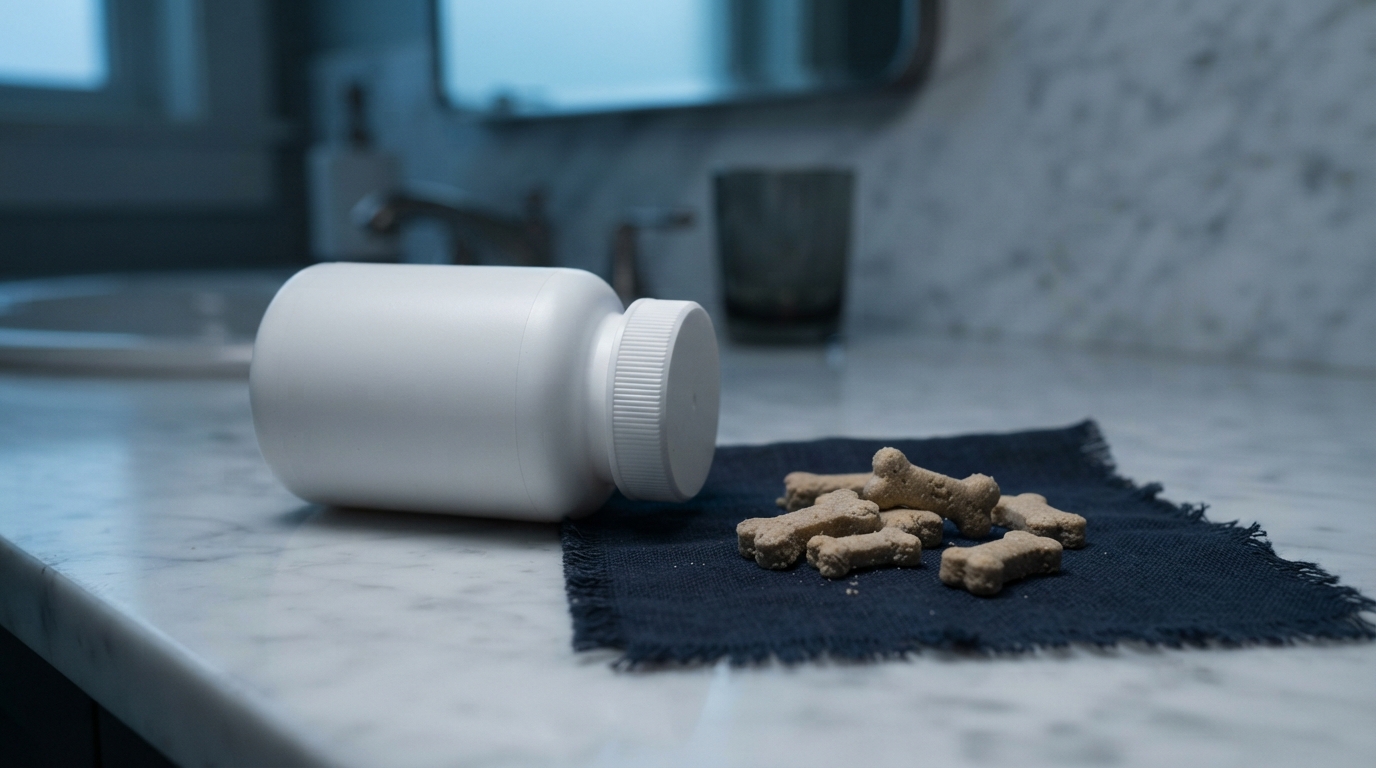
Dogs can react strongly to changes in their surroundings. A thunderstorm, unfamiliar visitors, travel, grooming appointments, fireworks, or a different daily routine may cause a dog to behave differently from normal. Restlessness, pacing, barking, hiding, trembling, or staying unusually close to a familiar person can sometimes appear during stressful situations.
Interest in Holistapet CBD calming chews for dogs has grown as pet owners look for convenient products that may fit into a broader approach to managing occasional stress. Cannabidiol, commonly called CBD, is a compound derived from cannabis plants, but it does not produce the intoxicating effects associated with THC. Research into CBD use in dogs is still developing, so responsible use requires attention to product quality, dosage guidance, existing medications, and veterinary advice.
Understanding Why Dogs Become Stressed
Stress is a normal biological response. It helps an animal react to situations that feel unfamiliar, threatening, or uncomfortable. The problem occurs when stressful reactions become frequent, intense, or difficult for a dog to recover from.
Different dogs can respond to the same event in very different ways. One dog may ignore a thunderstorm while another may hide under furniture. A newly adopted dog may need time to adjust to a household, while an older dog may become unsettled by changes that previously caused no reaction.
Common Situations That May Trigger Stress
Several everyday circumstances can produce temporary nervousness:
- Loud noises such as fireworks, construction, or thunderstorms
- Car rides and unfamiliar travel environments
- Visits to veterinary clinics or grooming facilities
- Changes in household schedules
- Moving to a new home
- Separation from familiar people
- Introduction of another animal
- Crowded environments
- Unfamiliar guests
- Changes in sleeping or feeding routines
Behavioral changes should be viewed in context. A dog that suddenly becomes withdrawn, aggressive, unusually vocal, or reluctant to move may have an underlying medical problem rather than simple situational stress.
Pain, digestive problems, neurological conditions, hormonal disorders, and other health concerns can sometimes affect behavior. A sudden or persistent change deserves professional evaluation.
What CBD Means for Dogs
CBD is one of many naturally occurring cannabinoids found in cannabis plants. Unlike tetrahydrocannabinol, or THC, CBD is not considered intoxicating. That distinction has contributed to interest in CBD products designed for companion animals.
The endocannabinoid system exists in mammals and is involved in several physiological processes. However, the presence of this system does not automatically establish that every CBD product will produce a particular effect in dogs.
Research involving canine CBD use has examined areas such as pharmacokinetics, safety, osteoarthritis-related discomfort, and seizure disorders. Evidence remains limited for many of the claims commonly used in pet-product marketing. Studies may also use specific formulations and doses that cannot automatically be applied to every commercial chew.
Why Formulation Matters
Two CBD chews can contain different ingredients even when both advertise the same amount of CBD. Some products contain only CBD and inactive ingredients, while others include additional botanical ingredients.
A responsible product review should therefore look beyond the front label. Useful information includes:
- Amount of CBD per chew
- Total CBD content in the package
- Complete ingredient list
- Recommended serving information
- Batch or lot identification
- Laboratory testing information, when available
- THC information
- Manufacturer contact details
Laboratory testing can help verify cannabinoid content and identify contaminants. A certificate of analysis may provide information about the tested batch, although consumers should still understand what the document actually measures.
Choosing a Chew With Greater Care
Convenience is one reason chews appeal to dog owners. A premeasured chew can be easier to handle than a liquid product, particularly when a dog refuses medication or supplements placed directly in the mouth.
Convenience should not replace careful evaluation. Product quality can vary considerably across the pet supplement market, and labeling practices are not necessarily identical between manufacturers.
Questions to Ask Before Buying
A careful buyer can check several basic details before purchasing:
- Is the CBD amount clearly stated per chew?
- Is the complete ingredient list available?
- Does the manufacturer provide batch-specific testing?
- Is there information about THC content?
- Are serving directions clearly written?
- Is the product specifically intended for dogs?
- Does the packaging identify the manufacturer?
- Are storage instructions provided?
A product that makes dramatic promises deserves additional scrutiny. Terms such as “cures anxiety,” “guaranteed calm,” or “replaces veterinary treatment” should not be treated as established medical facts.
CBD products should also be kept away from children and animals that are not intended to receive them. Storage instructions should be followed, particularly when products contain additional ingredients that could be harmful if consumed in large quantities.
Introducing a New Supplement
A new supplement should be introduced carefully rather than immediately becoming part of a dog’s routine. The first step is to understand the product label and determine whether veterinary guidance is appropriate.
A veterinarian should be consulted before CBD is given to a dog with an existing medical condition or a dog taking prescription medication. CBD may affect how certain substances are processed in the body, creating potential interaction concerns.
A Practical Observation Routine
Keeping simple notes can make changes easier to evaluate. Record the following when appropriate:
- Date and time the product was given
- Amount provided
- Food given at the same time
- The situation that prompted use
- Observable behavior before administration
- Observable behavior afterward
- Any unusual reaction
- Other medications or supplements given that day
This approach avoids relying entirely on memory. It can also provide useful information for a veterinarian if a reaction or unexpected change occurs.
CBD should not be treated as an automatic solution for severe behavioral problems. A dog that experiences panic during storms, destructive behavior when left alone, repeated aggression, or persistent fear may need a structured behavioral assessment.
Building a Calmer Environment
Supplements are only one possible part of a dog’s overall routine. Environmental management can often make stressful situations easier to handle.
A predictable daily schedule may help some dogs. Regular feeding, exercise, rest, and interaction can create familiar patterns. Dogs also benefit from having a quiet location where they can retreat when household activity becomes overwhelming.
Simple Changes That May Help
During an expected stressful event, consider:
- Providing access to a quiet room
- Closing curtains during fireworks
- Using familiar bedding
- Reducing unnecessary noise
- Maintaining normal meal times
- Offering an appropriate enrichment toy
- Allowing the dog to choose a comfortable resting location
- Avoiding punishment for fear-related behavior
Exercise can also support general canine well-being, although the appropriate amount varies according to age, breed, health, and individual needs. A veterinarian can provide guidance when exercise restrictions are necessary.
Training is another useful tool. Reward-based training can help dogs learn predictable responses to certain situations. For more serious fear or anxiety, professional behavior support may be more appropriate than attempting to manage the problem solely with supplements.
Recognizing Possible Adverse Reactions
CBD is often discussed as a gentle supplement, but “natural” does not mean risk-free. Dogs can respond differently depending on body size, health status, formulation, and other substances they receive.
Possible unwanted effects reported with cannabinoid exposure can include sleepiness, changes in appetite, gastrointestinal upset, or changes in coordination. The severity and likelihood can vary.
If a dog develops a concerning reaction after receiving a CBD product, further doses should not be given until veterinary advice has been obtained. Severe symptoms, significant weakness, difficulty standing, repeated vomiting, breathing problems, collapse, or other urgent changes require prompt veterinary attention.
Another concern is accidental exposure. A dog that consumes a large quantity of chews may receive much more CBD or other ingredients than intended. Packaging should therefore remain secured and inaccessible.
CBD Chews and Veterinary Guidance
Veterinary involvement becomes especially useful when a dog has an ongoing condition or receives multiple treatments. A veterinarian can consider the dog’s medical history, current medications, age, weight, and reason for using the product.
The conversation should also include the exact product rather than simply the word “CBD.” A veterinarian may need to see the label, ingredient list, concentration, and testing information to assess potential concerns.
Pet owners should avoid changing prescribed medication without professional instructions. A supplement should not be used as a substitute for diagnosis or treatment when a medical or behavioral condition requires attention.
Separating Marketing From Evidence
The growing popularity of CBD products has created a wide range of claims. Some descriptions use scientific terminology without providing enough evidence to support the promised outcome.
A useful rule is to separate three things: what is known about CBD in general, what research has actually demonstrated in dogs, and what a particular product claims.
Research on dogs does not automatically validate every commercial formulation. A study involving a specific CBD preparation cannot necessarily be used to establish that another chew with different ingredients, concentration, or manufacturing standards will produce the same result.
This distinction is particularly important when products are marketed for anxiety, pain, inflammation, seizures, or other medical concerns. Those conditions can require veterinary diagnosis and treatment.
A Sensible Approach for Dog Owners
A thoughtful approach begins with the reason for considering CBD. Occasional nervousness during a predictable event is different from chronic fear, separation-related behavior, or a sudden personality change.
Before adding a CBD chew, consider the dog’s health history, current medications, the product’s ingredients, and the available testing information. Environmental adjustments and behavioral training should remain part of the broader plan when appropriate.
The goal should be careful observation rather than expecting an immediate transformation. If a dog continues to show significant distress, professional guidance is more appropriate than repeatedly increasing a supplement without supervision.
Final Thoughts
CBD products for dogs continue to attract interest, but evidence and product quality vary, so careful evaluation is necessary. A veterinarian, reliable product information, environmental support, and close observation can provide a more responsible framework for deciding whether a CBD chew belongs in a dog’s routine.