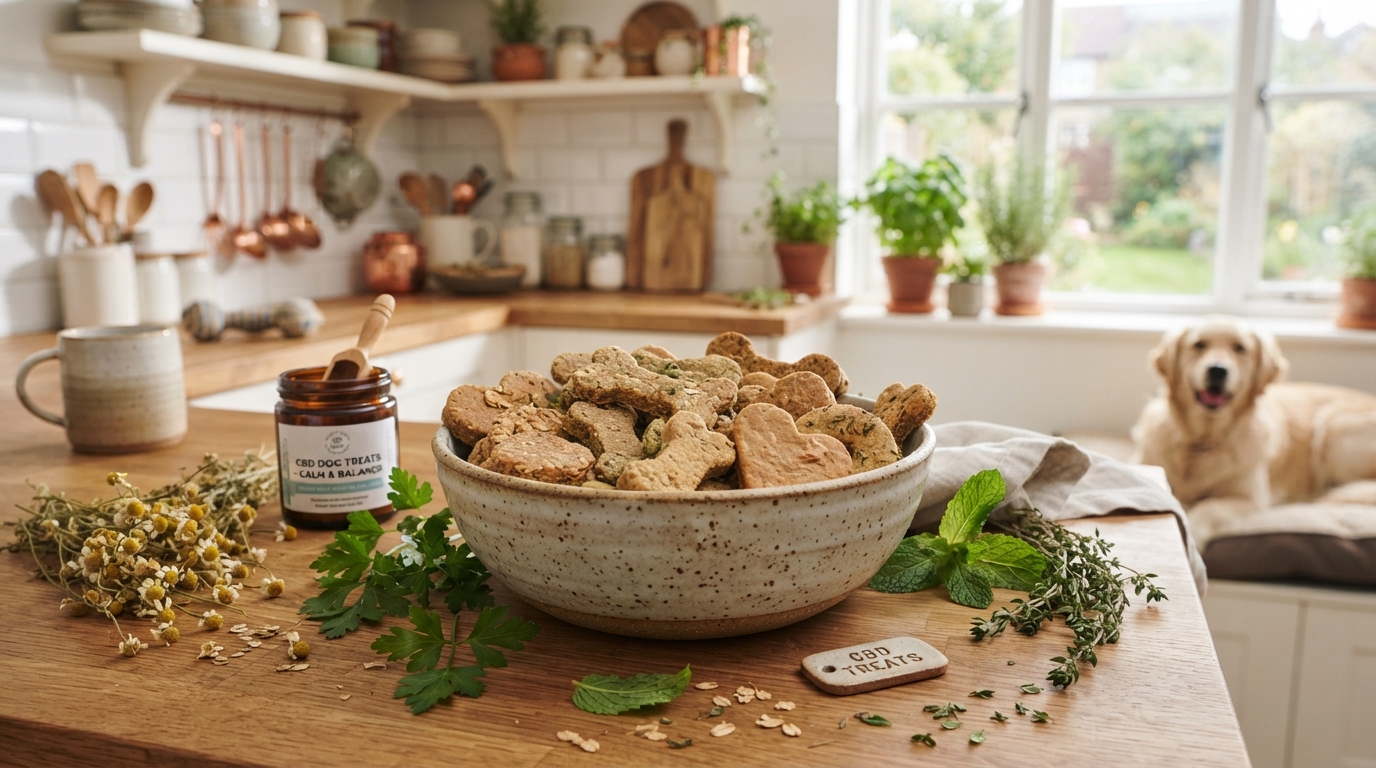
Dogs can be offered treats for many ordinary reasons, from rewarding good behavior to making training sessions easier. When a treat contains cannabidiol, or CBD, the decision becomes more complicated because the ingredient has different regulatory and safety considerations than standard pet snacks. Before choosing Holistapet CBD Dog Treats, pet owners need to understand what CBD is, how these products differ from conventional treats, and what information should be checked on a label.
CBD is one of the compounds found in cannabis plants. Unlike THC, CBD is not known for producing the intoxicating effect associated with marijuana. That distinction does not automatically make a CBD product appropriate for dogs. The U.S. Food and Drug Administration states that it has not approved cannabis for use in animals and cannot ensure the safety or effectiveness of cannabis products marketed for pets.
Understanding CBD in Dog Treats
CBD treats generally combine cannabidiol with a food base that may include ingredients such as meat, grains, vegetables, oils, or other common dog-treat components. The amount of CBD can vary considerably between products, so the word “CBD� on the package does not provide enough information by itself.
CBD and THC Are Different Compounds
CBD and THC are both cannabinoids, but they have different effects. THC is associated with the intoxicating effects of marijuana, while CBD does not produce the same type of high. Even so, accidental exposure to cannabis can make dogs sick. The FDA lists symptoms such as lethargy, depression, excessive drooling, vomiting, agitation, tremors, and convulsions among possible signs of adverse effects after cannabis ingestion.
This makes THC content worth checking carefully. A product labeled “hemp� does not provide sufficient information about its cannabinoid profile. Hemp can refer to a plant source, while the finished product still requires attention to its actual ingredients and laboratory results.
Why Product Labels Matter
A dog treat should have enough information for the purchaser to understand what is being given. Useful details include the amount of CBD per treat, serving size, ingredient list, manufacturer information, batch information, and expiration date.
A laboratory certificate of analysis can provide another layer of information. Depending on the testing laboratory, such reports may show cannabinoid concentrations and whether certain contaminants were detected.
A practical label check includes:
- CBD quantity per individual treat
- Total CBD quantity in the package
- Full ingredient list
- THC information
- Recommended serving directions
- Lot or batch identification
- Expiration or best-by date
- Laboratory testing information, when available
- Manufacturer contact information
The amount per treat deserves particular attention. A package might contain a large total amount of CBD, but the relevant number for a dog is the amount contained in each individual serving.
Safety Questions Before Giving a Treat
CBD research involving dogs remains limited compared with research involving commonly used veterinary medicines. The FDA specifically states that CBD products have not been approved for use in animals and recommends discussing appropriate treatment options with a veterinarian.
That recommendation becomes especially important when a dog already receives medication. CBD may interact with other substances, and the appropriate response depends on the dog’s health, age, weight, medical history, and current treatments.
Veterinary Guidance Comes First
A veterinarian can help determine whether a product is appropriate for a particular dog. This is especially useful when the treat is being considered because of a health concern rather than as an occasional snack.
A dog with a diagnosed condition may require a treatment that has been evaluated for that condition. Replacing prescribed care with an unapproved CBD product can delay appropriate treatment.
Questions worth discussing with a veterinarian include:
- Does the dog’s current medication create a potential interaction?
- Is CBD appropriate given the dog’s medical history?
- Could the ingredients cause digestive problems or allergies?
- What symptoms should be watched for after administration?
- What should happen if the dog accidentally receives too much?
- Should CBD be avoided before a scheduled procedure?
The answers can differ from one dog to another. Breed, size, age, existing disease, medication use, and individual sensitivity all affect the situation.
Watch for Changes After Administration
If a veterinarian agrees that a CBD-containing product can be considered, careful observation is still sensible. A dog that becomes unusually sleepy, unsteady, agitated, nauseated, or otherwise abnormal should receive attention rather than another serving.
The FDA has reported concerns about the safety and quality of CBD products and notes that available information about CBD in animals remains limited.
If a dog accidentally consumes a large quantity of a CBD or cannabis product, the product packaging should be kept available for the veterinarian. The label can help identify the ingredients and stated cannabinoid concentration.
Choosing a Product More Carefully
There is a significant difference between evaluating a CBD treat and simply choosing a conventional biscuit. With ordinary treats, attention often centers on calories, ingredients, allergies, and suitability for the dog’s diet. CBD products add another layer because cannabinoid concentration and product quality must also be considered.
A sensible purchasing process starts with the package rather than the marketing claims.
Look Beyond Health Claims
Statements about treating anxiety, arthritis, seizures, cancer, pain, or other medical conditions deserve particular caution. The FDA has stated that CBD products marketed for therapeutic purposes can fall under drug regulations, and it has taken action against companies making unapproved animal-health claims.
A product’s marketing language should therefore be separated from established veterinary evidence. A colorful package, a long list of claimed benefits, or numerous customer testimonials cannot substitute for controlled research.
For general purchasing purposes, examine the factual information instead:
- What exactly is contained in one treat?
- Is the CBD amount clearly stated?
- Is THC disclosed?
- Are all ingredients listed?
- Is there independent laboratory testing?
- Does the company provide batch-specific testing?
- Are feeding directions clear?
- Is the product intended specifically for dogs?
A product that cannot answer basic questions about its contents deserves additional caution.
Consider the Treat Itself
CBD is only one part of a dog treat. Other ingredients can affect whether the snack fits a dog’s diet.
Dogs with food allergies may need treats without specific proteins or grains. Dogs that gain weight easily may need low-calorie options. Dogs with sensitive digestion may react to rich oils, fats, or unfamiliar ingredients.
The basic nutritional profile should therefore remain part of the decision. CBD content should not distract from the rest of the ingredient list.
What Current Research Can and Cannot Show
Scientific research into cannabinoids and dogs has increased, but evidence remains narrower than many advertisements imply. Studies have examined areas such as pharmacokinetics, safety, and certain health conditions, yet research results do not automatically establish that commercially available treats are effective for a particular condition.
One frequently discussed area is canine osteoarthritis. Research has investigated CBD’s potential effects in dogs with osteoarthritis, but individual studies have limitations and do not establish CBD treats as a replacement for veterinary treatment.
The FDA’s current position remains clear: cannabis has not been approved for any use in animals, and the agency cannot guarantee the safety or effectiveness of cannabis products marketed for pets.
That distinction matters because research on a purified compound, a specific formulation, or a controlled dose does not necessarily apply directly to a commercial biscuit. Different products may contain different concentrations, additional cannabinoids, oils, flavorings, or other ingredients.
Practical Use and Storage Considerations
Treats containing CBD should be stored like other products that could cause problems if consumed in excess. A sealed container kept away from the dog’s normal food area can reduce the chance of accidental access.
Serving instructions should be followed carefully rather than estimated by eye. Cutting a treat into pieces can also create uncertainty if the CBD is not evenly distributed throughout the product.
Children should not be encouraged to handle pet CBD products casually, and dogs should not be allowed to take treats intended for another animal. Keeping the original packaging nearby is useful if a veterinarian needs to identify the product later.
If a dog experiences unusual behavior, vomiting, excessive drooling, tremors, marked sedation, or other concerning symptoms after consuming a cannabinoid product, veterinary advice should be sought promptly. The FDA specifically recommends contacting a veterinarian, animal emergency hospital, or animal poison control center when adverse effects from cannabis exposure are suspected.
Final Thoughts
CBD treats require more careful evaluation than ordinary dog snacks because safety, dosage, product quality, and regulatory status remain important questions. Veterinary guidance and transparent product information provide a more reliable basis for decisions than promotional health claims.