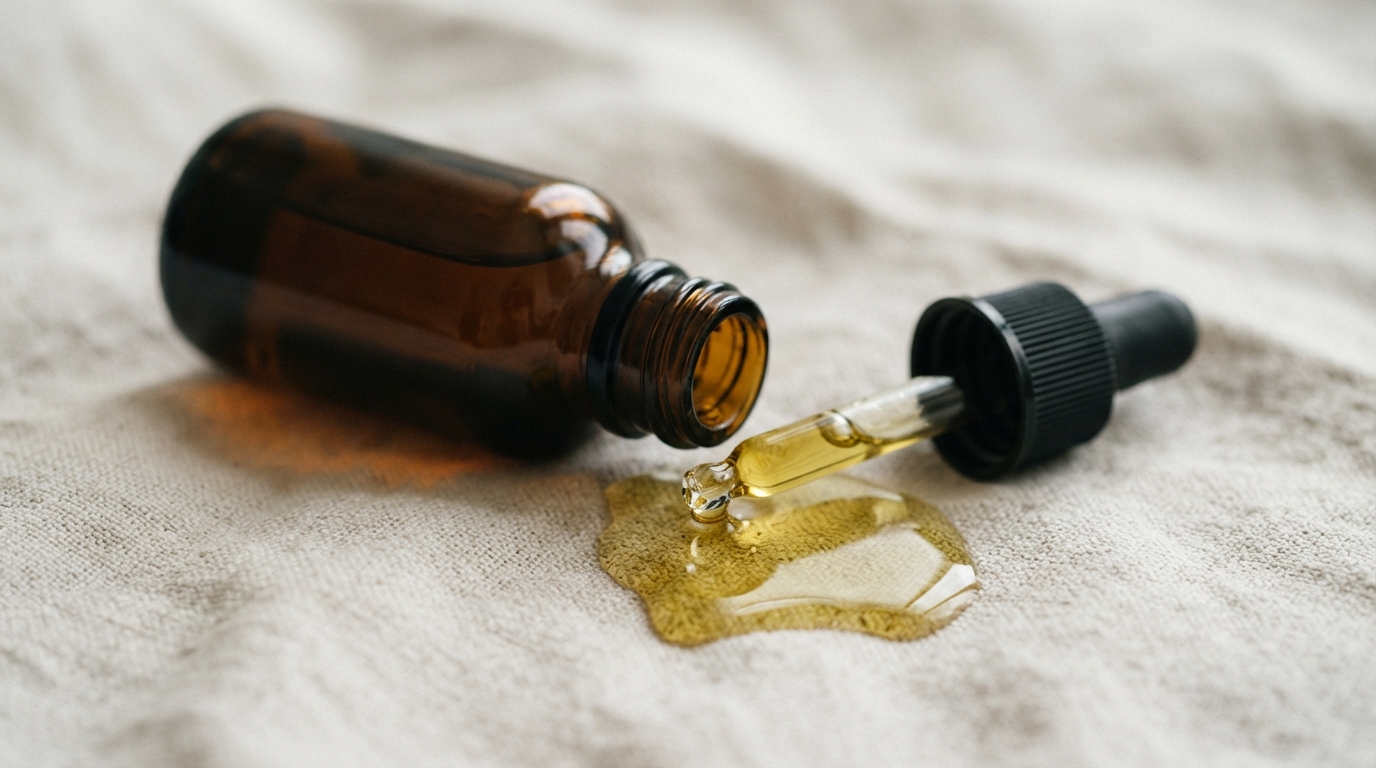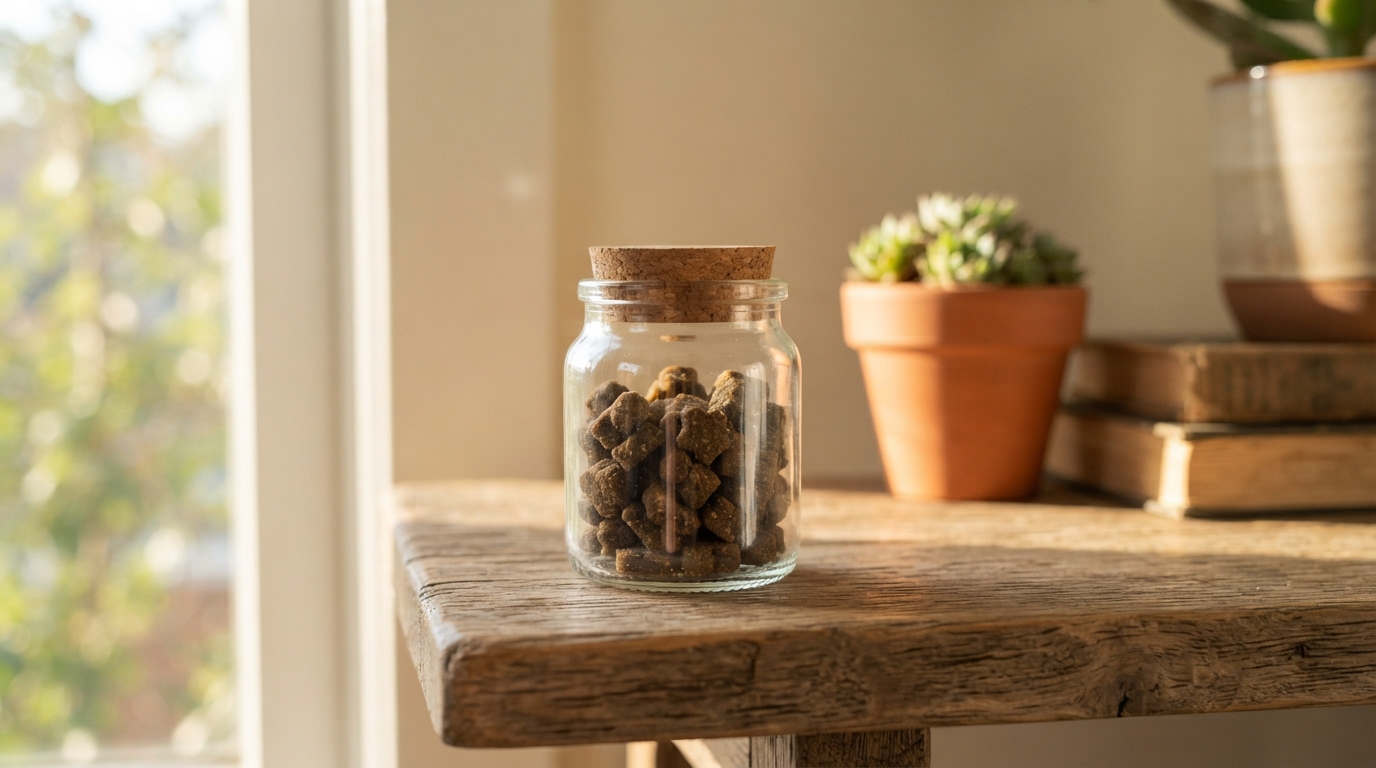
A bag of cat treats used to mean one thing: a crunchy reward for good behavior. Now the shelf includes versions infused with hemp extract, marketed for everything from car-ride jitters to stiff joints. The category has grown fast, and the labels have not always kept pace with the science.
Cats process substances differently than dogs or people, which matters when the product in question is Holistapet CBD cat treats. Feline metabolism handles certain compounds more slowly, and body weight differences mean a dose sized for a 60-pound dog is wildly inappropriate for an 8-pound cat. None of that shows up on most packaging.
What’s Actually in the Bag
Ingredient lists on hemp-based treats tend to follow a pattern: a hemp extract (measured in milligrams of CBD per treat), a base like pumpkin, chicken, or salmon, and a handful of binders such as oat flour or tapioca starch. Some brands add taurine or omega-3 fatty acids, both of which are genuinely useful for cats regardless of the CBD content.
The milligram count matters more than the marketing copy. A treat listing “5mg CBD per piece” is giving usable information. A bag that only says “hemp-infused” without a number is not.
How to Read a Certificate of Analysis
Reputable manufacturers post a Certificate of Analysis (COA) from a third-party lab, either on the product page or via a QR code on the packaging. This document confirms two things: how much CBD is actually in the product, and whether contaminants like heavy metals, pesticides, or residual solvents are present.
A few things worth checking on any COA:
- The batch number on the COA matches the batch number on the bag, not a different production run
- THC content is listed and stays below 0.3% by dry weight, consistent with the definition of hemp under the 2018 Farm Bill
- Testing was done by an independent lab, not an in-house facility
- The report is dated within the past year, since potency degrades over time
Skip products where the COA is missing entirely, outdated, or generic (the same document reused across multiple different items).
Dosing and Introducing Treats Slowly
There is no FDA-approved dosing chart for CBD in cats, so most guidance comes from manufacturer recommendations based on body weight, not clinical trials. A common starting range on product labels falls between 1 and 5mg per 10 pounds of body weight, though this varies by brand and concentration.
Start with a half dose for the first few days. Watch for lethargy, drooling, vomiting, or changes in appetite. Cats with liver disease, kidney disease, or those on other medications should not receive hemp-based products without a veterinarian’s input first, since CBD is metabolized through the liver and can interact with certain drugs.
Timing also matters. Treats given 30 to 60 minutes before a stressful event, such as a vet visit or a car trip, allow time for absorption. Daily use for ongoing issues like joint discomfort typically follows a steadier schedule, often twice a day.
Storage and Shelf Life
Heat, light, and air degrade cannabinoids over time. Most hemp treats list a shelf life of 12 to 18 months unopened. Once opened:
- Keep the bag sealed in a cool, dark cabinet rather than on the counter
- Avoid the refrigerator unless the label specifically calls for it, since condensation can affect texture and mold risk in treats with natural preservatives
- Use within 60 to 90 days of opening for freshest potency
- Discard if the treats develop an off smell, unusual color, or visible moisture
A treat that has lost potency is not dangerous, just less effective, which can lead an owner to assume the product does not work at all.
Final Thoughts
The difference between a well-made and poorly-made CBD cat treat usually comes down to documentation, not marketing claims. A verifiable COA and a clear milligram count say more than any label copy.